
A reader wrote me:
I’m a Christian, and I know Jesus died for me. My question is, is it vital to remember all of my sins, so that I can ask for God’s forgiveness? I try, but I know I’ve probably left many out, though not on purpose. When I’m aware of sin, I immediately ask God’s forgiveness. But am I totally forgiven if I don’t ask for forgiveness for a sin because I can’t remember it? I thought of King David, who lived with unconfessed sin; it seems that he wasn’t forgiven until he asked God for forgiveness. I’m just so scared that I might not enter into Heaven unless I can remember all the sins I need to confess. Sometimes I think that I’m being attacked by Satan. Please, can you help me?
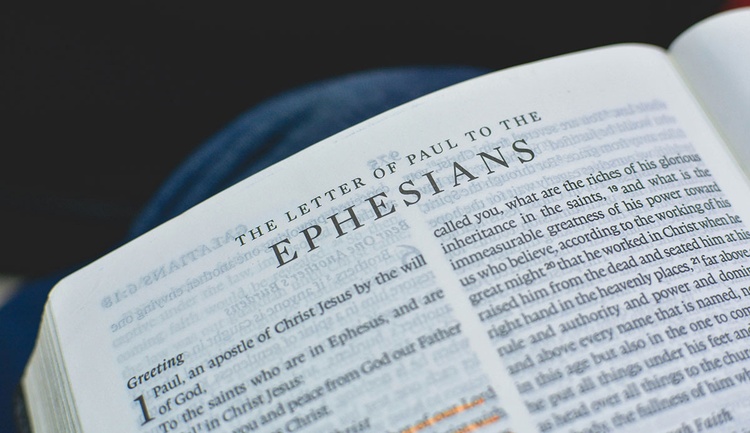
Scripture assures us that forgiveness is rooted in God’s grace, not in our ability to remember every sin. Ephesians 1:7 tells us, “In Him we have redemption through His blood, the forgiveness of our trespasses, according to the riches of His grace.” God’s forgiveness is complete and covers all sins—past, present, and future—when we place our faith in Christ. He is well aware of our hearts and our struggles with sin, which is why we need a Savior in the first place!
You referenced David; his story illustrates that unconfessed sin leads to spiritual turmoil. However, David’s eventual confession (Psalm 51) was not about recalling every specific sin but about a genuine acknowledgment of his need for God’s mercy. God had not rejected David over this sin, but He also was not going to allow David to fester in his sin, without confessing and dealing with it. In grace, He sent the prophet Nathan to confront David. Despite the serious consequences of David’s sin (consequences can remain, even when there is forgiveness), Nathan tells the king, “The Lord also has put away your sin; you shall not die” (2 Samuel 12:7).
Our assurance of salvation does not hinge on memory or perfection in confession. That would make salvation all about us and our performance, not about what Christ has done for us. Romans 10:9 says, “If you confess with your mouth that Jesus is Lord and believe in your heart that God raised Him from the dead, you will be saved.” It’s about faith in Christ, not a meticulous inventory of sins.
I, too, suspect that the torment you feel could be an attack from the enemy. Satan seeks to instill doubt and fear, distorting our understanding of God’s grace. Remember that 2 Corinthians 10:5 encourages us to “take every thought captive to obey Christ.” When doubts arise, we’re to challenge them with the truth of God’s Word.
1 John 1:9 reassures us: “If we confess our sins, He is faithful and just to forgive us our sins and to cleanse us from all unrighteousness.” This doesn’t mean we must remember every sin, but that our posture of repentance and reliance on God’s grace is what matters. While we have a settled once-and-for-all forgiveness in Christ, we also have a current ongoing relationship with Him that is hampered by unconfessed sin. God loves us too much to allow us to be entangled by sin.
It’s good that you seek forgiveness immediately when you sin. This reflects a heart aligned with God. However, remember that God’s grace is sufficient (2 Corinthians 12:9). Your relationship with Him is not contingent upon your memory but upon His faithfulness.
John Piper reminds us that “The payment was perfect. You can’t add to it at all. You can’t add to your sin-covering at all.”
He says in a message about why we confess sin, when we are aware of it:
Jesus, once for all, by his life and death, purchased our forgiveness and provided our righteousness. We can add nothing to the purchase or the provision. We share in the forgiveness and the righteousness by faith alone. But in view of the holiness of God and the evil of sin, it is fitting that we appropriate and apply what he bought for us by prayer and confession every day. “Give us this day our daily bread, and forgive us our debts, as we also have forgiven our debtors” (Matthew 6:11–12). Daily request for bread, because he has promised to meet every need; daily pray appropriation of forgiveness, because it is fully purchased and secured for us by the death of Jesus.
As a believer, you are assured of your salvation. The Holy Spirit testifies to our spirit that we are God’s children (Romans 8:16). Allow that assurance to bring you peace. Instead of fearing you might forget to confess a sin, focus on the relationship you have with Christ and what He has done for you. We should joyfully celebrate God’s forgiveness! David described it this way: “Happy are those to whom the Lord imputes no iniquity, and in whose spirit there is no deceit” (Psalm 32:2, NRSV).
It’s crucial to embrace the freedom and peace that comes from knowing you are forgiven in Christ. Don’t let the enemy rob you of the joy of your salvation and the assurance that you are secure in God’s love. Jesus said, “My sheep hear my voice, and I know them, and they follow me. I give them eternal life, and they will never perish, and no one will snatch them out of my hand” (John 10:27-28).
Remember, for those of us who are in Christ, God won’t ever say, “Well, if I’d known that, I never would’ve let you into Heaven!” God knows all your sins and my sins. Jesus died for them all. No exceptions.
So keep seeking God, growing in your relationship with Him, and trusting in His promises. You are loved, forgiven, and secure in His grace!
See also: What If You Struggle to Forgive Yourself for a Past Sin?